
Market Insights
Over-the-Rhine: Cincinnati's Historic Neighborhood Rental Guide
Over-the-Rhine has transformed from a largely vacant historic district into one of Cincinnati's most in-demand urban rental markets over the past 15 years. Here's what renters and investors should know about it today.
Why Has Over-the-Rhine Become One of Cincinnati's Most In-Demand Rental Markets?
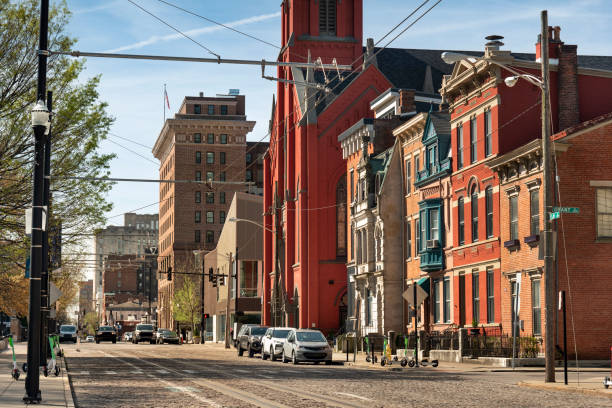
Sustained investment from the city and 3CDC, a downtown revitalization organization, restored much of Over-the-Rhine's 19th-century Italianate housing stock and brought a dense concentration of restaurants, breweries, and retail into a highly walkable footprint just north of downtown. That combination of historic character and urban walkability is now the defining draw for renters willing to pay a premium for it.
What Does It Cost to Rent in Over-the-Rhine?
Over-the-Rhine commands some of Cincinnati's highest per-square-foot rents, reflecting both its renovated historic housing stock and its downtown-adjacent location. Newer renovated units in the neighborhood's core, particularly near Findlay Market and Washington Park, carry the strongest premiums.
Who Typically Rents in Over-the-Rhine?
The neighborhood draws primarily young professionals and downtown workers prioritizing walkability and nightlife over square footage, along with a smaller population of long-term residents in more affordable pockets toward the northern edge of the district.
What Should Investors Know About Over-the-Rhine's Historic Housing Stock?
Many buildings in the neighborhood qualify for historic tax credits given their designation within a National Register Historic District, which can meaningfully offset renovation costs — but that designation also means exterior renovations are subject to historic preservation review, so investors should budget extra time and cost for compliance compared to a standard renovation project elsewhere in the city.
What Amenities Do Over-the-Rhine Renters Expect?
Given the neighborhood's density, off-street or garage parking is a significant premium amenity, often more so than in any other Cincinnati neighborhood. In-unit laundry, exposed brick and historic architectural details, and proximity to Findlay Market or Washington Park all factor heavily into what renters are willing to pay.
Frequently Asked Questions
Is Over-the-Rhine a good long-term investment for Cincinnati landlords?
Yes, for investors comfortable with higher acquisition and renovation costs — the neighborhood's sustained revitalization and downtown-adjacent location have supported strong appreciation and consistently low vacancy.
Do I need special approval to renovate a historic building in Over-the-Rhine?
Often yes — many properties fall within a historic district subject to preservation review for exterior changes, so confirm requirements before budgeting a renovation timeline.
Is parking a major issue for Over-the-Rhine renters?
Yes — the neighborhood's density means off-street parking is scarce and commands a meaningful rent premium when a property has it.
Related articles: Oakley, Norwood & Mount Lookout Comparison · Hyde Park Rental Market Guide
Want to know what your property could earn?
Get a free rental analysis from EquityTeam. We help people and properties prosper across Cincinnati, Dayton, and Norris Lake (via Deerfield Vacation Rentals).
Related Articles