
Property Services
Smoke and Carbon Monoxide Detector Compliance for Ohio Rental Properties
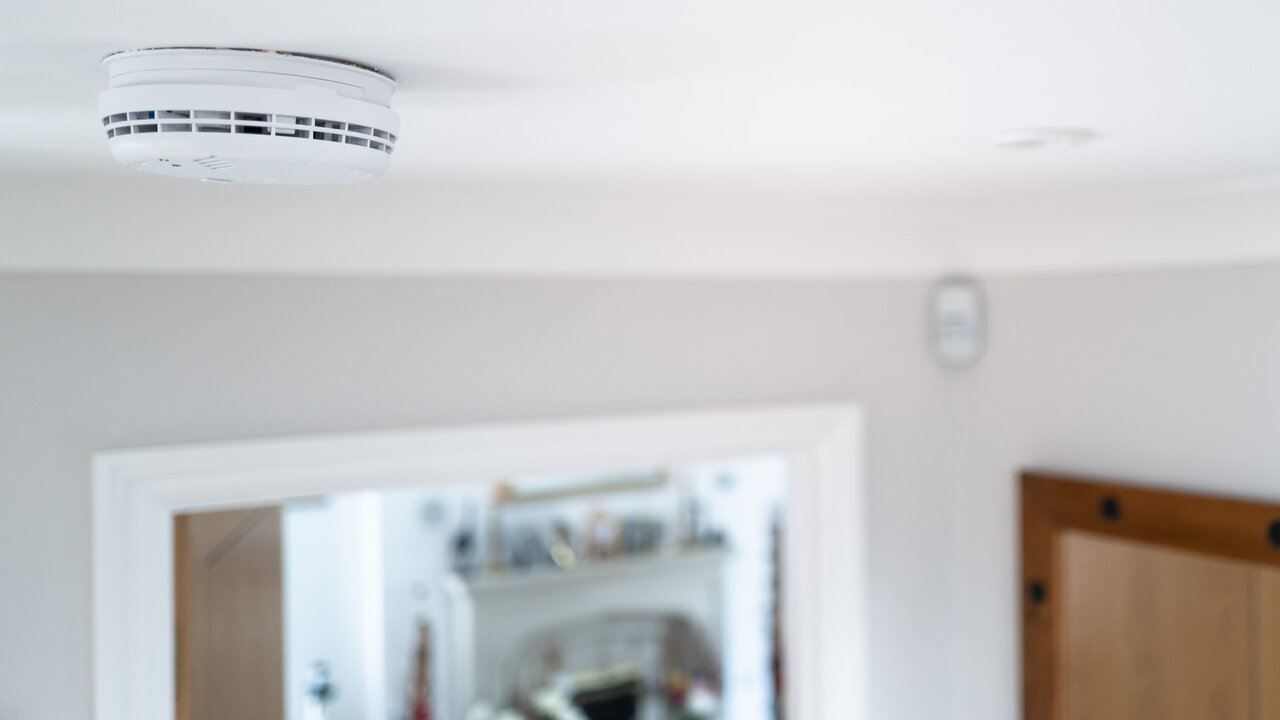
Smoke and carbon monoxide detectors are one of the most basic safety requirements for a rental property, and also one of the most commonly overlooked once a lease is signed and the property is occupied.
Does Ohio Law Require Smoke Detectors in Rental Properties?
Yes — Ohio's landlord-tenant statute requires landlords to maintain a property in a habitable condition, which includes functioning smoke detectors, and many local building and fire codes add more specific placement and maintenance requirements on top of that baseline. Confirm your specific city or county's fire code requirements in addition to the state habitability standard, since local rules can be more detailed.
Where Should Smoke Detectors Be Located?
Standard placement guidance calls for a smoke detector inside every bedroom, immediately outside each sleeping area, and on every level of the home, including basements. Larger homes or those with additional sleeping areas may need more than the minimum to ensure every bedroom and level is properly covered.
Is a Carbon Monoxide Detector Required in Addition to Smoke Detectors?
Requirements vary by local jurisdiction, but it's increasingly common — and strongly recommended regardless of whether it's strictly mandated — for any rental property with a fuel-burning appliance (gas furnace, gas water heater, fireplace) or an attached garage to have at least one carbon monoxide detector, typically placed near sleeping areas.
Who Is Responsible for Testing and Replacing Batteries?
This is a common point of confusion. Best practice — and often the legal default absent a specific lease provision — places responsibility for ensuring detectors are installed and functional on the landlord at move-in, with many leases then shifting day-to-day battery maintenance to the tenant during the tenancy, alongside a requirement to notify the landlord immediately if a detector isn't working. Spell this out explicitly in the lease rather than leaving it ambiguous.
How Often Should Detectors Be Tested and Replaced?
Smoke detectors should be tested monthly and have their batteries replaced at least annually, with the entire unit replaced roughly every 8-10 years as sensors degrade over time regardless of battery condition. Carbon monoxide detectors follow a similar testing schedule but often have a shorter overall unit lifespan, commonly 5-7 years — check the specific manufacturer guidance printed on the unit.
What Happens If a Property Doesn't Have Compliant Detectors?
Beyond the obvious safety risk, a landlord found non-compliant with detector requirements can face liability exposure in the event of a fire or carbon monoxide incident, particularly if it can be shown a missing or non-functional detector contributed to injury or death. This is a low-cost compliance item with a genuinely severe downside if neglected.
EquityTeam verifies smoke and carbon monoxide detector compliance at move-in and during regular inspections for every managed property. Contact us to learn more about our safety and maintenance standards.
Frequently Asked Questions
How many smoke detectors does a typical 3-bedroom rental need?
At minimum, one inside each of the three bedrooms, one immediately outside the sleeping area, and one on any additional level of the home — commonly 4-5 total depending on layout.
Do carbon monoxide detectors expire?
Yes — most carbon monoxide detectors have a functional lifespan of 5-7 years, after which the sensor itself degrades even if the unit still appears to power on.
Can a tenant remove a smoke detector because it's too sensitive?
No — tenants should never disable or remove a required smoke detector; if false alarms are a recurring issue (often triggered by cooking), the correct fix is repositioning or upgrading the unit, not disabling it.
Want to know what your property could earn?
Get a free rental analysis from EquityTeam. We help people and properties prosper across Cincinnati, Dayton, and Norris Lake (via Deerfield Vacation Rentals).
Related Articles