
Owner Tips
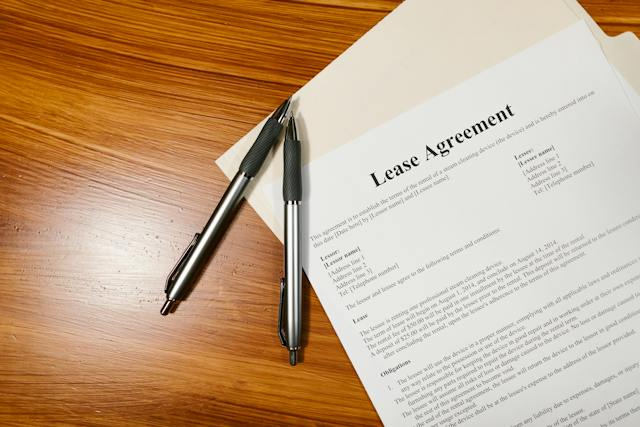
Guide to Making a Solid Lease Agreement for Your Rental Property
Your lease agreement is the legal foundation of your landlord-tenant relationship. A well-drafted lease protects you when disputes arise, sets clear expectations for both parties, and ensures you have the legal standing to enforce your rights. A vague or incomplete lease can leave you vulnerable.
What must every Ohio rental lease agreement include?
Every lease must clearly state: names of all adult tenants, property address, lease start and end dates, monthly rent amount and due date, grace period and late fee structure, security deposit amount and return conditions, pet policy, utility responsibilities, maintenance and repair responsibilities, and rules regarding subletting, guests, and occupancy limits. Missing any of these creates ambiguity that typically resolves against the landlord.
How should late fees be structured in an Ohio lease?
In Ohio, late fees are enforceable but must be reasonable and clearly stated in the lease — specify the exact dollar amount or percentage, when it applies (e.g., rent more than 5 days past due), and whether the fee accrues daily. Vague late fee language ("a reasonable fee may apply") is difficult to enforce because it lacks the specificity Ohio courts require.
What does Ohio law require for security deposit terms in a lease?
Ohio law requires landlords to return a security deposit within 30 days of the tenant vacating, along with an itemized list of any deductions — your lease should reinforce these terms, specify what conditions constitute deductible damage beyond normal wear and tear, and explain your move-in/move-out inspection process. This gives tenants clear expectations and protects you if there's ever a dispute.
How should maintenance responsibilities be divided in a lease?
Be explicit about what the landlord maintains (HVAC filters, appliances, structural elements) versus what the tenant is responsible for (lawn care, minor repairs under a certain dollar threshold, keeping drains clear, reporting issues promptly) — ambiguity leads to disputes that are difficult to resolve without clear written terms. Even a short, plain-language paragraph on this topic prevents most maintenance disagreements.
What are Ohio's rules for landlord entry into a rental property?
Ohio law requires landlords to give tenants at least 24 hours' notice before entry except in emergencies — your lease should reflect this requirement and specify the process for scheduling inspections, maintenance visits, and showings. Consistent advance notice builds trust and keeps you on the right side of the law.
How detailed should a lease's pet policy be?
If you allow pets, specify approved pet types, size and breed restrictions, number of pets allowed, pet deposit amount, monthly pet rent if any, and tenant liability for pet damage beyond the deposit — and include a clause about unauthorized pets and the consequences. A vague pet policy is one of the most common sources of landlord-tenant conflict in Cincinnati rentals.
What happens if a tenant violates a lease in Ohio?
Define in the lease what constitutes a violation and the process for addressing it — written notice, cure period, and potential termination. A clear, documented process protects you legally if you ever need to pursue eviction through Hamilton County Municipal Court or another applicable jurisdiction.
Should a landlord use a generic lease template or have one drafted by an attorney?
Ohio landlord-tenant law has specific requirements that generic online templates often miss or misstate — have an attorney familiar with Ohio landlord-tenant law review your lease, or work with a property management company that uses compliant, regularly updated lease agreements. The cost of a professional lease review is trivial compared to the cost of an unenforceable provision.
EquityTeam uses professionally drafted, Ohio-compliant lease agreements that protect our property owners and clearly communicate expectations to tenants. Contact us to learn more about our full-service property management.
Frequently Asked Questions
Can a Cincinnati landlord require a co-signer on a lease?
Yes — requiring a co-signer or guarantor is a common and legal practice when an applicant doesn't meet income or credit thresholds on their own. The co-signer agreement should be a separate addendum that clearly states their liability for rent and damages under the lease.
What is the difference between a lease and a month-to-month rental agreement?
A fixed-term lease runs for a set period — typically 12 months — and locks in the rent and terms for that period; neither party can terminate early without consequences. A month-to-month agreement can be ended by either party with 30 days' written notice. Fixed-term leases offer more stability; month-to-month provides more flexibility.
Can a landlord change lease terms mid-tenancy in Ohio?
No — during a fixed-term lease, neither party can unilaterally change material terms like rent amount. Changes require mutual written agreement. At renewal, the landlord can propose new terms, and the tenant can accept, negotiate, or choose not to renew.
Related articles: Effective Tenant Screening · Ohio Security Deposit Law · Eviction Process in Cincinnati
Want to know what your property could earn?
Get a free rental analysis from EquityTeam. We help people and properties prosper across Cincinnati, Dayton, and Norris Lake (via Deerfield Vacation Rentals).
Related Articles