
Property Services
How to Avoid Water Damage in Your Rental Property
Water damage is one of the most expensive and disruptive problems a rental property owner can face. The EPA estimates that the average household sees about 10,000 gallons of water wasted annually due to leaks — and in rental properties, small leaks often go undetected until they become major problems. Prevention is far cheaper than repair.
How often should a landlord inspect a rental property for water damage?
Schedule property inspections at least once a year — and twice a year in older Cincinnati properties built before 1980 — specifically looking for moisture under sinks, water marks on ceilings and walls, and failing caulking around tubs, showers, and toilets. Many water damage situations are entirely preventable if caught early; inspect the roof, gutters, and downspouts annually as well.
How does roof and gutter condition cause water damage in rental properties?
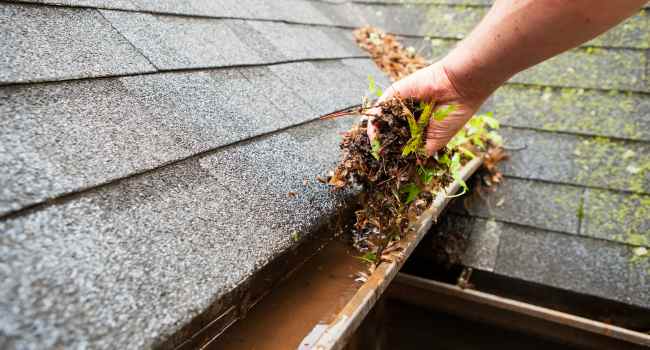
A compromised roof is the number one cause of major water intrusion — inspect after significant storms and at least once a year. Clogged gutters overflow and can direct water into the foundation or under the roofline, so clear them each fall and ensure downspouts direct water at least four feet from the foundation.
Why should every tenant know where the water shutoff valve is?
Every tenant should know where the main water shutoff valve is located before they move in — when a pipe bursts, every second counts. Include the shutoff location in the move-in packet and on a card posted inside a kitchen cabinet; this single step can prevent thousands of dollars in damage if a leak happens while you're unavailable.
What plumbing warning signs should landlords act on immediately?
When a tenant reports a dripping faucet, a running toilet, or a slow drain, address it right away — what seems like a minor inconvenience can signal a larger problem. A continuously running toilet can waste thousands of gallons and hide a faulty valve that could fail completely; slow drains often indicate a developing blockage that, if ignored, leads to sewage backup.
How do you prevent frozen pipes in Cincinnati rentals?
Insulate exposed pipes in exterior walls, crawl spaces, garages, and attics before cold season, and ensure tenants know to keep heat set to at least 55°F even when away — Cincinnati winters regularly see temperatures below freezing. A burst pipe can cause catastrophic flooding in minutes, so prevention is far less expensive than emergency remediation.
Are water leak detectors worth installing in a rental property?
Smart water leak detectors are inexpensive — often $20–$40 each — and can catch leaks before they cause significant damage. Place them under sinks, near water heaters, behind washing machines, and near HVAC condensate drains; many connect to a smartphone app to alert you remotely.
When should a water heater be replaced in a rental property?
Water heaters typically last 8–12 years, and replacing them proactively before failure avoids emergency premiums and tenant disruption. Flush the tank annually to remove sediment, inspect the anode rod every few years, and budget for replacement as the unit approaches the end of its expected lifespan.
How quickly should a landlord respond to a tenant's report of water damage?
Immediately — water damage that could have been a minor repair becomes a major remediation project, including potential mold, if ignored for even a few weeks. Tenants are your eyes and ears inside the property; when they report a drip, a discolored ceiling, or a musty smell, investigate the same day.
At EquityTeam, our maintenance team responds quickly to water-related issues and conducts regular property inspections to catch problems before they escalate. Protect your investment with professional property management.
Frequently Asked Questions
Does landlord insurance cover water damage in Cincinnati rental properties?
It depends on the cause. Sudden, accidental water damage — like a burst pipe — is typically covered by a landlord dwelling policy. Gradual leaks caused by deferred maintenance are often excluded. Review your policy's water damage exclusions carefully and consider adding endorsements for sewer or drain backup coverage.
Who is responsible for water damage caused by a tenant's negligence?
If a tenant causes water damage through negligence — leaving a window open during rain, overflowing a bathtub, or failing to report a known leak — the cost of repair is generally the tenant's responsibility and may be deducted from the security deposit. Document the damage and the cause thoroughly before making any deductions.
What are signs of mold in a rental property?
Musty odors, visible dark spots on walls or ceilings, and tenant complaints of respiratory irritation are the most common indicators. Mold typically follows unaddressed moisture — if water damage goes untreated for more than 24–48 hours in warm conditions, mold can begin growing. Any visible mold should be professionally assessed and remediated.
Related articles: How to Maintain Your Rental Property · A Tenant's Guide to Frozen Pipes · Pest Control Prevention for Rental Properties
Want to know what your property could earn?
Get a free rental analysis from EquityTeam. We help people and properties prosper across Cincinnati, Dayton, and Norris Lake (via Deerfield Vacation Rentals).
Related Articles